The Amazon Delivery Service Partner Program allows you to work for a local delivery company that operates under Amazon standards.
You are not hired directly by Amazon, but you follow its logistics systems, performance rules, and customer service expectations.
If you want steady delivery work with clear structure and entry-level access, this program may fit your goals.
What Is the Amazon DSP Program?
The Amazon DSP Program is a delivery model where independent companies partner with Amazon to complete last-mile package deliveries.
You are employed by a local Delivery Service Partner, not by Amazon directly.
These partners operate under Amazon’s performance standards while managing their own staff and daily operations.
How the DSP Employment Structure Works
Your employment is handled by a local Delivery Service Partner that operates in accordance with Amazon standards.
You follow Amazon’s logistics systems, but your paycheck and direct supervision come from the DSP company.
- Independent Employer Model – You are hired and paid by a local DSP, not Amazon.
- Amazon Performance Standards – Your DSP must meet Amazon’s delivery and safety metrics.
- Operational Oversight – Routes and packages are assigned through Amazon’s system, while your DSP manages scheduling.
- Fleet and Equipment – Vehicles and devices are provided by the DSP in accordance with Amazon guidelines.
- Delivery Station Reporting – You start your shift at an Amazon delivery station, where you pick up packages.
Job Roles Available Under a DSP
Under the Amazon Delivery Service Partner Program, you can apply for different operational roles depending on your experience.
Most positions focus on delivery execution, route coordination, or team supervision.
- Delivery Driver – You deliver packages on assigned routes and meet daily performance targets.
- Lead Driver / Trainer – You support new drivers, monitor route performance, and assist with daily operations.
- Dispatcher – You coordinate routes, track drivers, and handle delivery issues in real time.
- Operations Manager – You oversee staffing, compliance, scheduling, and overall DSP performance.
Key Responsibilities of a DSP Delivery Driver
A DSP delivery driver handles daily routes while meeting strict safety and timing standards.
Performance is tracked based on efficiency, accuracy, and customer service quality.
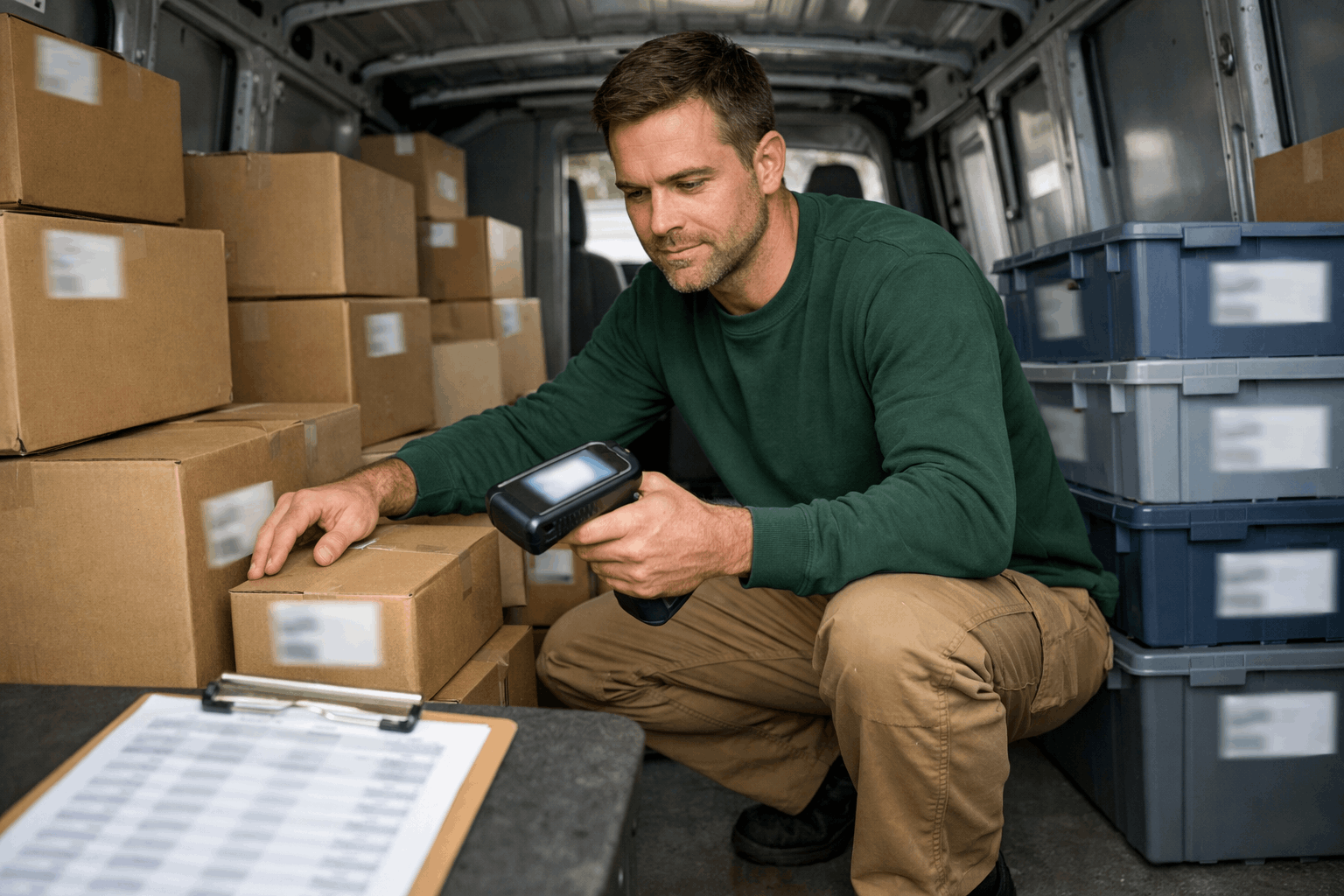
- Package Loading – Organizing and loading parcels into the van before departure.
- Route Navigation – Following assigned routes using a handheld delivery device.
- On-Time Deliveries – Completing deliveries within scheduled time frames.
- Customer Interaction – Maintaining professional conduct during each drop-off.
- Vehicle Inspections – Performing pre-trip and post-trip safety checks.
- Delivery Scanning and Proof – Scanning packages and recording delivery confirmation at every stop.
Salary Expectations and Pay Structure
Pay varies by location, experience level, and the specific DSP employer. Compensation is typically hourly, with opportunities for overtime during busy periods.
- Hourly Pay Range – Most DSP drivers in the U.S. earn approximately $18–$22 per hour, depending on market conditions.
- Overtime Pay – Hours worked beyond 40 per week are generally paid at 1.5× the regular hourly rate, based on federal labor standards.
- Pay Schedule – Many DSP companies offer weekly or biweekly payroll cycles.
- Performance Incentives – Some DSPs provide bonuses tied to attendance, safety scores, or peak-season output.
- Peak Season Opportunities – Higher hours and temporary pay increases may be available during high-demand periods.
Work Schedule and Shift Structure
Delivery operations follow structured daily routes with fixed reporting times. Schedules vary by DSP, location, and seasonal demand.
- Full-Time and Part-Time Options – Most DSPs offer 4–5 day full-time schedules, with limited part-time openings.
- Shift Length – Standard routes typically last 8 to 10 hours, depending on delivery volume.
- Start Times – Shifts often begin in the late morning after packages are sorted at the delivery station.
- Weekend Requirements – Many DSP roles require at least one weekend day per week.
- Peak Season Adjustments – During high-demand periods, shifts may extend and additional days may be required.
Benefits Offered by DSP Employers
Benefits depend on the specific Delivery Service Partner and employment status.
Full-time positions typically qualify for more comprehensive coverage than part-time roles.
- Health Insurance – Many DSPs offer medical, dental, and vision plans to eligible full-time employees.
- Paid Time Off (PTO) – Vacation days and sick leave may be available after a probation period.
- Retirement Plans – Some DSP employers provide access to 401(k) plans with or without company matching.
- Tuition Assistance – Select DSPs offer education support or career development programs.
- Employee Bonuses – Attendance bonuses or safety-based incentives may be provided.
Vehicle and Equipment Provided
Delivery operations require standardized tools and vehicles to meet performance and safety requirements.
Equipment is typically supplied by the DSP in accordance with Amazon’s operational guidelines.
- Delivery Van – A cargo van is assigned to daily routes, often branded in accordance with company standards.
- Handheld Delivery Device – A scanning device or mobile app is used for route navigation and package confirmation.
- Safety Gear – Reflective vests and other required protective equipment are provided.
- Uniform Apparel – Company-approved shirts or jackets may be required during deliveries.
- Vehicle Maintenance Support – Maintenance and servicing are managed by the DSP company.

Requirements and Qualifications
Hiring standards are set by the DSP, while following operational guidelines aligned with Amazon delivery policies.
Basic eligibility focuses on legal driving status, safety record, and physical capability.
- Minimum Age – Most DSP employers require applicants to be at least 21 years old.
- Valid Driver’s License – A current, unrestricted driver’s license is required.
- Clean Driving Record – Recent serious violations or DUIs may disqualify applicants.
- Background Check – Criminal background screening is part of the hiring process.
- Drug Screening – Pre-employment drug testing is commonly required.
- Physical Ability – Capability to lift packages up to 50 pounds and perform repetitive movement throughout the shift.
How to Apply for an Amazon DSP Job
The application process is handled directly by local Delivery Service Partners.
Hiring steps are generally fast and focused on availability, driving history, and reliability.
- Amazon DSP Driver Jobs (Official) – The official Amazon delivery driver page lists DSP delivery driver opportunities you can apply for directly.
- Amazon Jobs – Amazon’s main careers site includes delivery-related listings and sometimes DSP-connected roles.
- Indeed – A major job board where many “Amazon DSP” and delivery roles appear.
- ZipRecruiter – Lists Amazon DSP delivery jobs by city or region with apply links.
- DSP Job Hub – Independent board focusing on DSP delivery roles and openings.
- Fountain DSP Listings – Aggregates Delivery Service Partner employer openings.
- Google for Jobs or job aggregators – Searching “Amazon DSP delivery driver” brings up local and national listings from multiple platforms.
Is the Amazon DSP Program Right for You?
This role fits certain work styles and physical demands.
Evaluating your schedule flexibility, stamina, and tolerance for performance helps determine suitability.
- Comfort With Physical Work – Daily routes require constant movement, lifting, and extended driving.
- Structured Performance Environment – Delivery metrics, tracking systems, and time targets are strictly monitored.
- Schedule Flexibility – Weekend shifts and peak-season overtime are often required.
- Preference for Independent Work – Most of the day is spent driving and making independent stops.
- Interest in Logistics Careers – Entry-level exposure to last-mile delivery can support long-term logistics growth.
- Tolerance for Weather Conditions – Deliveries continue in heat, rain, or cold, depending on the region.
Final Section – Take the Next Step
The Amazon Delivery Service Partner Program offers structured delivery work with steady demand and clear performance standards.
This path suits individuals who value active work, consistent schedules, and entry-level access to logistics.
Review local DSP openings and submit an application if the role aligns with your availability and career goals.