
You work at the center of daily restaurant operations as a KFC team member.
You handle both kitchen and counter responsibilities to keep service fast and organized.
This guide explains exactly what you are expected to do in each area.
Understanding the KFC Team Member Role
You support the daily operations of the restaurant. You may work in both the kitchen and the front counter during your shift.
You must stay flexible and ready to handle a variety of tasks.
- Core Operational Support – Assistance in food preparation, order handling, and service execution keeps operations running smoothly.
- Role Flexibility – Rotation between kitchen and counter duties depends on staffing needs and customer demand.
- Team-Based Structure – Close coordination with coworkers and shift leaders ensures tasks are completed efficiently.
- Customer-Focused Responsibility – Direct impact on customer satisfaction through speed and accuracy.
- Procedure Compliance – Adherence to company standards for food safety, service quality, and cleanliness.
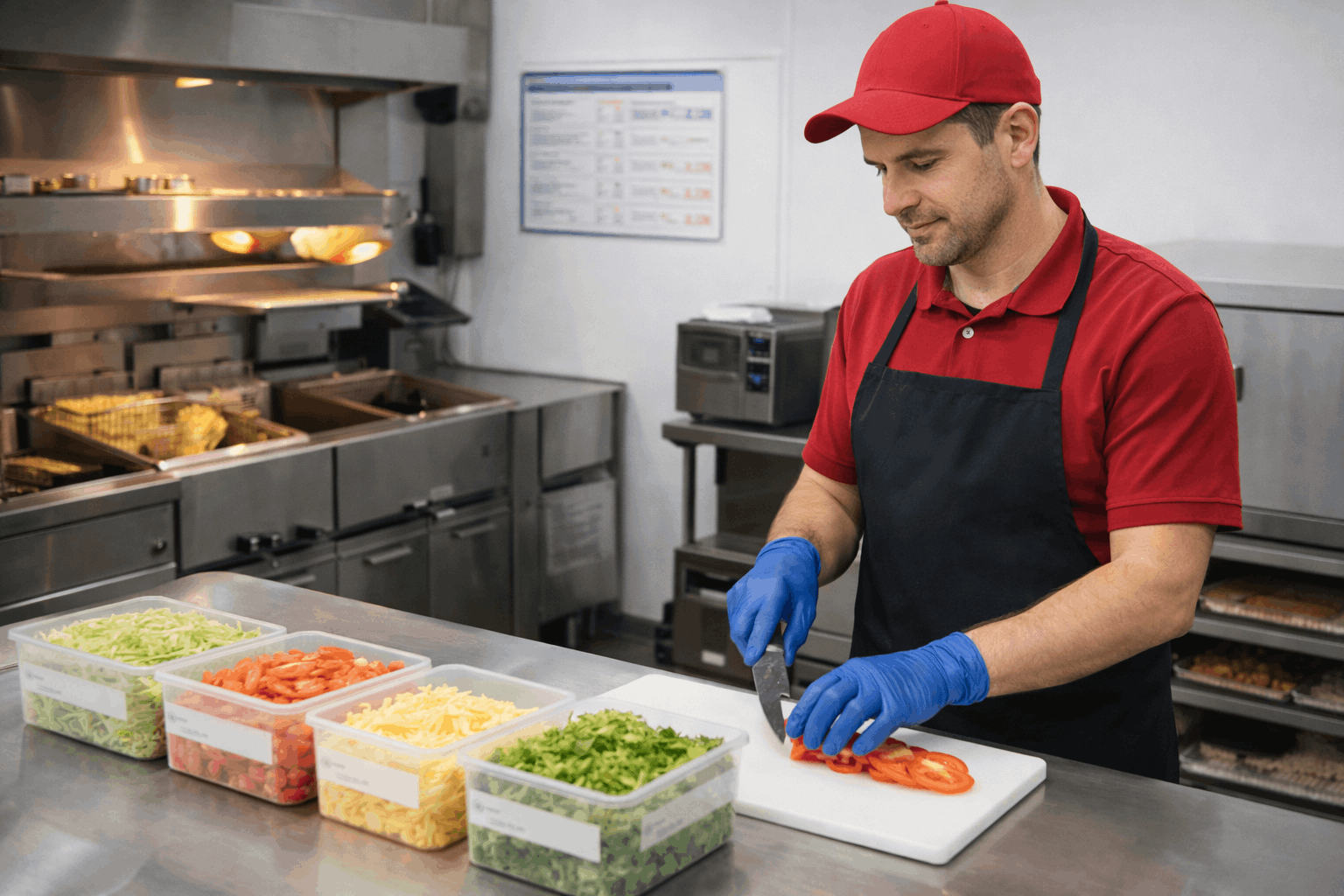
Kitchen Responsibilities
Kitchen duties focus on food preparation, safety, and consistency. Every task must follow strict company procedures.
Performance in this area affects speed and overall service quality.
- Food Preparation and Cooking – Breading, frying, and assembling menu items according to approved recipes and timing standards.
- Portion and Recipe Control – Following exact measurements to ensure consistency and reduce waste.
- Food Safety Compliance – Monitoring holding times and food temperatures to maintain safe serving conditions.
- Equipment Operation – Handling fryers, prep tools, and warming stations correctly and safely.
- Station Cleaning and Sanitation – Maintaining clean surfaces, utensils, and equipment throughout the shift.
- Stock Rotation and Storage – Organizing ingredients using proper storage rules and first-in, first-out methods.
- Order Coordination – Preparing items efficiently based on incoming order flow from the counter.
Counter Responsibilities
Counter duties focus on customer interaction and order processing. Accuracy and professionalism are required at all times.
Performance at the counter directly shapes the customer experience.
- Customer Greeting – Welcoming customers promptly and creating a positive first impression.
- Order Taking – Recording orders accurately while confirming details to avoid mistakes.
- Payment Handling – Processing cash, card, or digital payments using the POS system.
- Order Assembly and Packaging – Organizing completed items correctly before handing them to customers.
- Beverage and Side Preparation – Preparing drinks and simple side items according to standards.
- Cleanliness Maintenance – Maintaining the counter area, keeping it organized and sanitary throughout the shift.
- Basic Issue Resolution – Addressing simple customer concerns calmly and professionally.
Customer Service Standards
Customer service defines the overall dining experience. Every interaction must reflect professionalism and efficiency.
Consistency in service builds trust and repeat visits.
- Professional Greeting – Acknowledging customers promptly with a clear and polite tone.
- Clear Communication – Speaking confidently and confirming order details to prevent misunderstandings.
- Positive Attitude – Maintaining respectful behavior even during busy periods.
- Problem Handling – Addressing complaints calmly and involving a supervisor when necessary.
- Service Speed – Delivering orders quickly without compromising accuracy.
- Appearance and Conduct – Following uniform and grooming standards at all times.

Food Safety and Hygiene Standards
Food safety protects customers and staff. Strict hygiene practices are required at all times.
Compliance with regulations prevents health risks and operational issues.
- Handwashing Procedures – Washing hands regularly and correctly before handling food.
- Safe Food Handling – Preventing contamination during preparation and storage.
- Temperature Control – Monitoring cooking and holding temperatures to meet safety standards.
- Cross-Contamination Prevention – Properly separating raw and cooked items.
- Sanitation of Surfaces – Cleaning and disinfecting workstations and equipment frequently.
- Proper Storage Practices – Labeling and organizing ingredients according to guidelines.
- Personal Hygiene Compliance – Maintaining clean uniforms and proper grooming standards.
Order Accuracy and Speed Expectations
Order accuracy and speed affect customer satisfaction. Both must be balanced during every shift. Mistakes and delays reduce service quality.
- Order Verification – Checking items carefully before serving or handing out orders.
- Clear Coordination – Communicating effectively between the kitchen and counter to prevent confusion.
- Efficient Task Management – Handling multiple orders without losing focus.
- Rush Hour Performance – Maintaining consistent speed during peak periods.
- Error Reduction – Correcting mistakes quickly to avoid repeated issues.
- Queue Management – Maintaining service flow to minimize wait time.
Equipment Handling and Maintenance
Proper equipment handling ensures safety and efficiency. Every tool must be used in accordance with company procedures.
Regular maintenance prevents breakdowns and service delays.
- Safe Equipment Operation – Using fryers, ovens, and warming stations correctly to avoid accidents.
- POS System Use – Operating the register and order system accurately during transactions.
- Routine Cleaning – Cleaning machines and tools after use to maintain hygiene standards.
- Preventive Maintenance – Checking equipment condition regularly during shifts.
- Issue Reporting – Informing supervisors immediately about malfunctions or safety concerns.
- Organized Storage – Keeping tools and small equipment in designated areas.
Teamwork and Communication
Strong teamwork keeps operations organized and efficient. Clear communication prevents delays and errors.
Coordination supports both kitchen and counter performance.
- Shift Coordination – Aligning tasks with team members to maintain a smooth workflow.
- Clear Verbal Communication – Sharing order updates and instructions accurately.
- Support During Peak Hours – Assisting teammates when workload increases.
- Following Leadership Direction – Responding promptly to instructions from shift leaders or managers.
- Conflict Management – Addressing misunderstandings quickly to maintain a productive environment.
- Information Sharing – Updating the team about order changes or stock issues.
Work Environment and Physical Demands
The work environment is fast-paced and structured. Physical activity is required throughout the shift.
Awareness and stamina are necessary for consistent performance.
- Extended Standing – Remaining on feet for long periods during service hours.
- Frequent Movement – Moving quickly between stations to complete tasks.
- Heat Exposure – Working near fryers and cooking equipment.
- Lifting Requirements – Carrying supply boxes and restocking ingredients when needed.
- Noise Levels – Operating in a busy setting with constant activity.
- Safety Awareness – Staying alert to prevent slips, burns, or other workplace hazards.
Skills and Qualities Required
The role requires practical skills and the right attitude. Strong work habits improve performance and reliability.
These qualities support both kitchen and counter duties.
- Time Management – Completing tasks efficiently during busy shifts.
- Attention to Detail – Ensuring orders and food preparation meet standards.
- Basic Math Skills – Handling payments and verifying transactions accurately.
- Communication Skills – Sharing clear information with customers and teammates.
- Reliability – Arriving on time and following assigned schedules.
- Adaptability – Adjusting quickly to changing tasks or customer flow.
- Work Ethic – Maintaining consistent effort throughout the shift.
Growth Through Responsibility
Daily responsibilities build practical experience. Consistent performance opens opportunities for advancement.
Skill development happens through routine tasks and accountability.
- Operational Experience – Gaining hands-on knowledge in food service and customer interaction.
- Leadership Preparation – Developing discipline and reliability that support future supervisory roles.
- Multi-Station Training – Learning both kitchen and counter tasks to increase versatility.
- Problem-Solving Ability – Handling real-time challenges during service hours.
- Performance Recognition – Strong work habits improve promotion potential.
- Career Foundation – Building transferable skills for long-term employment growth.
Taking the Next Step in a KFC Team Member Role
The KFC team member role requires focus, consistency, and teamwork in both kitchen and counter operations.
Every responsibility contributes directly to service quality and customer satisfaction.
If this fast-paced environment fits your strengths, take the next step and apply with confidence.