As a Pizza Hut Driver, your vehicle is a core part of your daily responsibilities and performance, and you must comply with the established Vehicle Rules and Safety Guidelines.
Company standards and local traffic laws must be followed at all times without exception.
These Vehicle Rules and Safety Guidelines protect safety, secure income, and ensure customers receive orders on time without risk.
Basic Vehicle Requirements
Before starting deliveries, the vehicle must meet company and legal standards. These conditions ensure safe and compliant operations on every shift.
- Valid Driver’s License – A current, non-expired license issued by the state.
- Vehicle Registration – Legal registration under the driver or authorized operator.
- Active Auto Insurance – Coverage that meets minimum state liability requirements.
- Safe Operating Condition – Fully functioning brakes, lights, steering, and tires.
- Clean Driving Record – No serious recent violations, suspensions, or DUIs.
Insurance and Legal Compliance
Delivery work requires full compliance with all applicable laws and insurance requirements at all times.
These standards protect drivers, customers, and the business from financial and legal risk.
- Minimum Liability Coverage – Insurance must meet or exceed state-required liability limits.
- Proof of Insurance – Valid documentation must be available at all times during each shift.
- Traffic Law Compliance – All local, state, and federal driving laws must be followed.
- Accident Reporting – Any collision or incident must be reported to management immediately.
- Citation Disclosure – Traffic tickets or license changes must be disclosed promptly.
Vehicle Condition and Maintenance
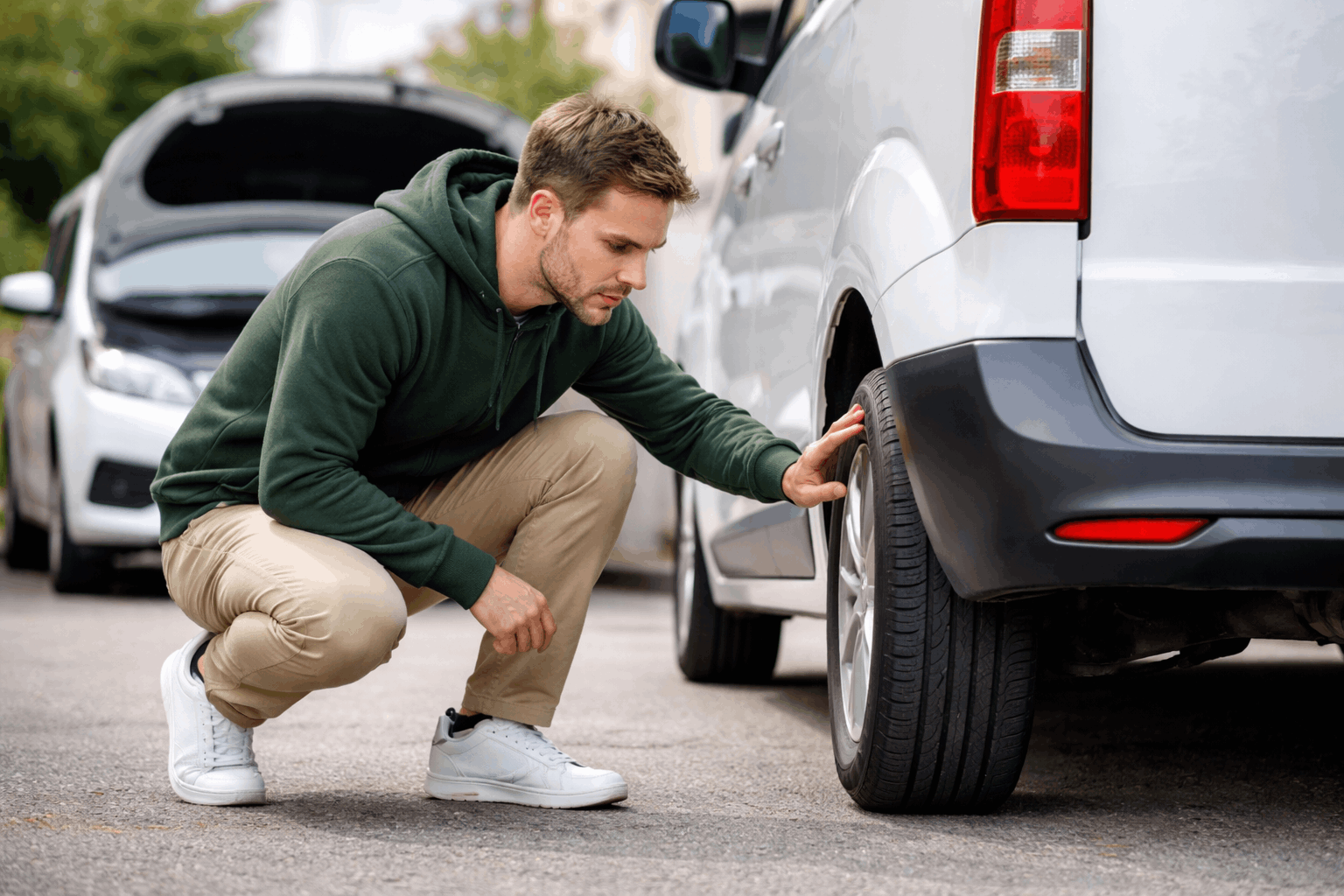
A delivery vehicle must remain in safe and reliable condition at all times. Regular maintenance prevents breakdowns, delays, and safety risks.
- Brake System Function – Brakes must respond properly without noise, delay, or failure.
- Lighting and Signals – Headlights, brake lights, and turn signals must work fully.
- Tire Condition – Tires must have proper tread depth and correct air pressure.
- Steering and Suspension – Steering must be stable with no excessive vibration or pulling.
- Fluid Levels and Engine Health – Oil, coolant, and other fluids must be maintained at proper levels.
Safety Guidelines While Delivering
Safe driving is required on every delivery shift. Consistent focus and discipline reduce accidents and protect everyone on the road.
- Speed Limit Compliance – Posted speed limits must be followed at all times.
- No Distracted Driving – Phone use, texting, or multitasking while driving is prohibited.
- Seat Belt Use – Seat belts must remain fastened during the entire trip.
- Defensive Driving – Maintain safe following distance and anticipate road hazards.
- Legal Parking Practices – Vehicles must be parked in safe and lawful locations during deliveries.
Delivery Equipment and Food Safety
Food must arrive hot, intact, and safe for consumption. Proper equipment use prevents contamination and quality issues.
- Insulated Delivery Bags – Approved thermal bags must be used to maintain food temperature.
- Temperature Control – Hot and cold items must be kept within safe temperature ranges.
- Secure Transport – Orders must be placed flat and stable to prevent spills or damage.
- Hygiene Standards – Hands and equipment must remain clean during handling.
- Order Verification – Items must be checked for accuracy before leaving the store.
Accident and Emergency Procedures
Quick and correct action reduces risk during unexpected incidents. Clear reporting protects safety and limits liability.
- Personal Safety First – Move to a safe location and check for injuries immediately.
- Emergency Contact – Call emergency services if anyone is hurt or if damage is severe.
- Manager Notification – Inform store management as soon as possible after the incident.
- Incident Documentation – Record photos, location details, and involved parties for reporting.
- Insurance Reporting – Provide required information to the insurance provider without delay.
Background Checks and Driving Record Standards
Driving eligibility depends on verified history and ongoing compliance. Regular reviews ensure only qualified drivers remain on the road.
- Motor Vehicle Record Review – Driving history is checked before and during employment.
- Serious Violation Screening – DUI, reckless driving, or license suspension can lead to disqualification.
- Points Threshold Limits – Excessive traffic points may disqualify a driver from driving eligibility.
- Ongoing Monitoring – Driving records may be reviewed periodically for compliance.
- License Status Verification – An active and valid license status must be maintained at all times.
Technology and GPS Usage Rules
Navigation tools support efficiency but must not create distractions. Safe use of technology reduces accident risk.
- Hands-Free Operation – GPS devices must be set before driving begins.
- No Texting While Driving – Messaging while the vehicle is in motion is prohibited.
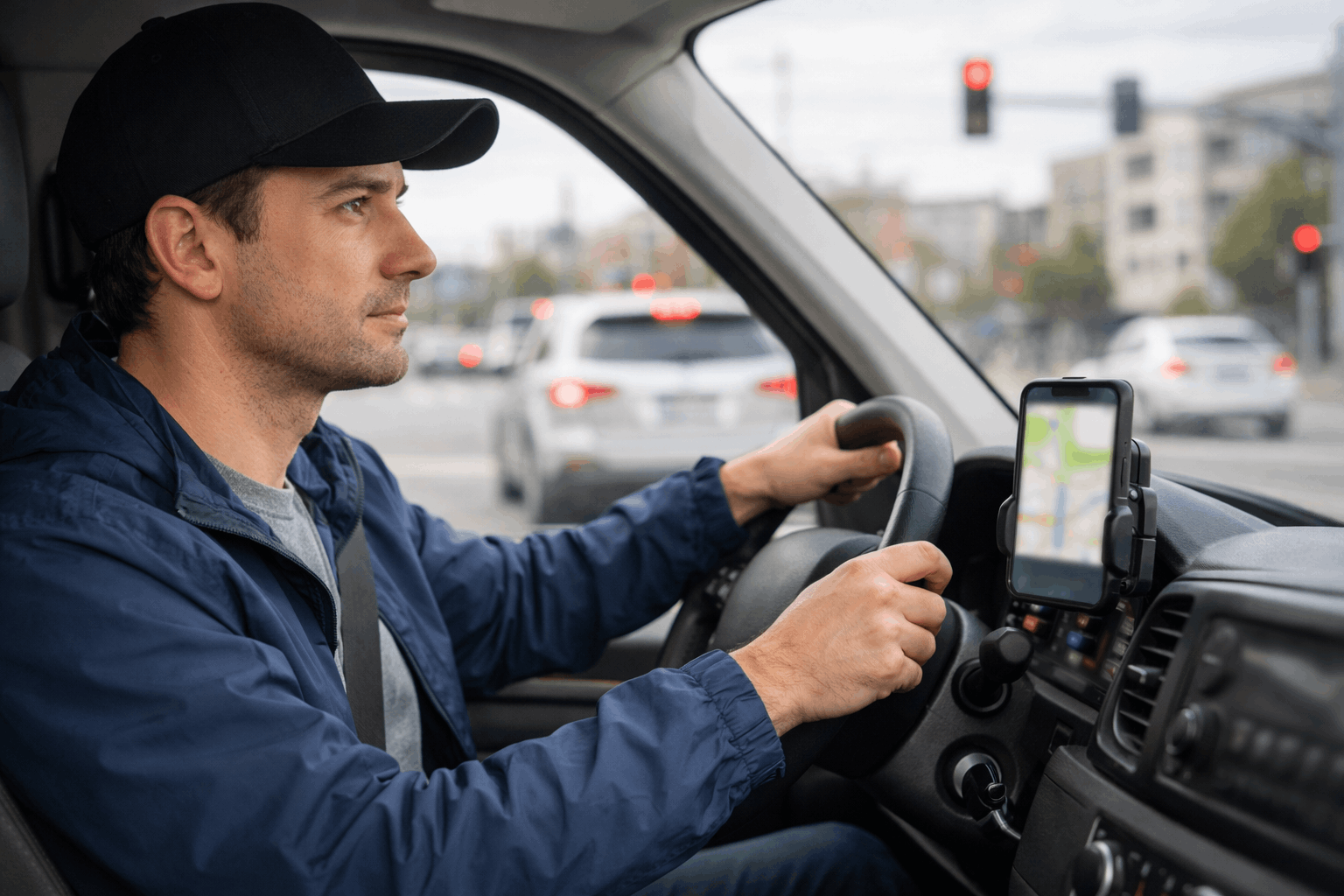
- Secure Device Placement – Mount devices safely without blocking visibility.
- Data Privacy Awareness – Customer information must remain confidential.
- Battery Readiness – Ensure devices are charged before starting deliveries.
Shift Readiness and Fatigue Management
Physical readiness impacts driving safety and performance. Fatigue increases reaction time and risk.
- Adequate Rest – Begin shifts only when properly rested.
- Break Compliance – Follow required rest breaks during long shifts.
- Hydration and Alertness – Maintain focus through proper hydration and awareness.
- Self-Assessment Before Driving – Do not operate a vehicle when feeling unwell or impaired.
- Work Hour Limits – Avoid exceeding safe daily driving hours.
Weather and Hazard Preparedness
Weather conditions can increase delivery risks without warning. Proper adjustments reduce accidents and protect performance during difficult situations.
- Reduced Speed in Poor Weather – Driving speed must be lowered during rain, fog, or snow.
- Increased Following Distance – Extra space must be maintained to allow safer braking.
- Headlight Use in Low Visibility – Headlights must remain on during storms or other reduced visibility conditions.
- Hazard Awareness – Wet roads, debris, and construction zones must be approached cautiously.
- Delivery Delay Protocol – Severe conditions may require notifying management before proceeding.
Consequences of Policy Violations
Failure to follow vehicle and safety policies can directly affect driving eligibility and employment status.
Consistent compliance protects job security and legal standing.
- Driving Suspension – Temporary removal from delivery duties due to violations.
- Termination of Employment – Repeated or serious infractions may result in dismissal.
- Insurance Liability Impact – Violations may increase insurance risk or lead to denied claims.
- Legal Penalties – Traffic offenses can result in fines, points, or license suspension.
- Loss of Shift Privileges – Reduced scheduling opportunities due to non-compliance.
Tips to Stay Compliant and Safe
Consistent habits prevent violations and reduce risk on the road. Simple daily checks support long-term driving eligibility and performance.
- Daily Vehicle Inspection – Check lights, brakes, and tires before each shift.
- Document Verification – Keep license, registration, and insurance current and accessible.
- Route Planning – Review delivery routes in advance to avoid rushed driving.
- Defensive Driving Habits – Maintain focus and anticipate traffic changes.
- Regular Maintenance Schedule – Follow routine service intervals to prevent breakdowns.
Stay Compliant and Drive with Confidence
For Pizza Hut Drivers, following Vehicle Rules and Safety Guidelines protects income and job stability.
Consistent compliance reduces accidents, legal exposure, and operational risk.
Review your vehicle, documents, and driving habits today to ensure full alignment with all Vehicle Rules and Safety Guidelines.